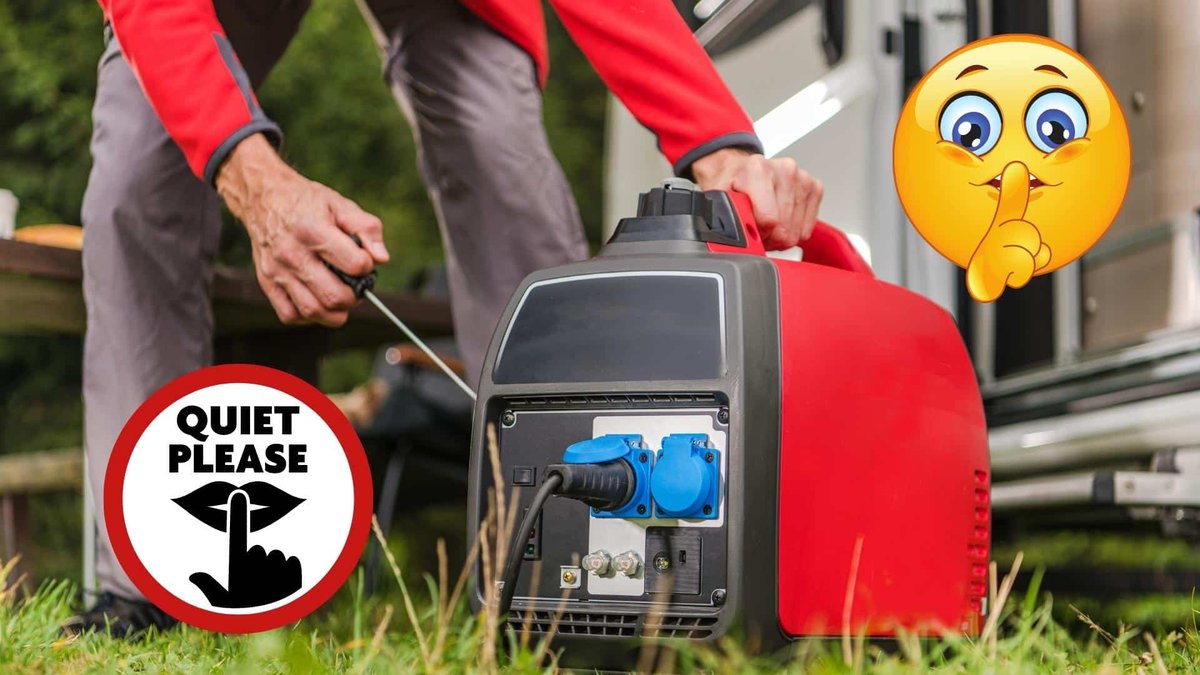
When the open road calls, there's nothing quite like the freedom of your RV. But that freedom often comes with a subtle hum in the background – the drone of a generator. For many, that noise is a deal-breaker, spoiling the peace of nature or disturbing campground neighbors. Thankfully, today's market offers a stellar array of Quiet & Feature-Rich RV Generators (Noise Levels, Remote Start, etc.) that promise to power your adventures without overpowering your tranquility. These aren't just quieter machines; they're smarter, more convenient, and packed with features that elevate your off-grid experience.
Imagine waking up, still nestled in your bed, and starting your generator with a simple button press on a remote, all while the coffee maker whirs to life. Or enjoying the silence of a starlit night, knowing your sensitive electronics are safely powered by a clean, stable energy source. This guide is your roadmap to finding that perfect balance of serene operation and robust performance.
At a Glance: Your Modern RV Generator Checklist
- Whisper-Quiet Operation: Look for 50-60 dBA – often labeled "quiet" or "super quiet."
- Effortless Start-Up: Prioritize remote start via key fob or app for ultimate convenience.
- Flexible Fuel Options: Dual-fuel models (gasoline/propane) offer versatility and extended runtime.
- RV-Specific Connections: Ensure a TT-30R 30-amp outlet for direct RV hookup.
- Smart Power Management: Inverter technology for clean, stable power, essential for sensitive electronics.
- Safety First: Must-have features include CO sensors, low-oil shutdown, and overload protection.
- Portable & Practical: Consider weight, wheels, and handles for easy transport.
Why Quiet Power is a Game-Changer for RV Life
Let's be honest: a noisy generator can quickly turn a peaceful retreat into an irritating ordeal. The incessant rumble not only spoils your own relaxation but also creates friction with fellow campers. Many state parks and private campgrounds even have strict noise regulations or "quiet hours," meaning a loud generator could leave you powerless exactly when you need it most.
Modern quiet RV generators address this head-on. They employ advanced inverter technology, which not only makes them significantly quieter by varying engine speed based on load but also delivers a cleaner, more stable sine wave output. This "clean power" is crucial for today's sensitive electronics, from laptops and smartphones to flat-screen TVs and complex RV control systems, preventing damage that conventional generators might cause.
Decoding "Feature-Rich": What to Look For in Your RV Generator
Beyond just the noise level, today's generators come loaded with thoughtful features designed to make your life easier. Here's a deeper dive into the aspects that define a truly "feature-rich" experience.
Power Play: Understanding Watts for Your RV Needs
When you're shopping for an RV generator, you'll encounter two key wattage figures: peak (or surge) watts and running (or rated) watts.
- Peak Watts: This is the temporary burst of power a generator can produce to start motors (like your RV's air conditioner or microwave). These appliances often require a higher wattage for a few seconds to get going.
- Running Watts: This is the continuous power the generator can supply to keep your appliances operating steadily.
To figure out your needs, list all the appliances you plan to run simultaneously and check their wattage. Pay special attention to your air conditioner, which is often the biggest power hog. A 13,500 BTU RV AC unit, for instance, typically needs around 2,500-3,000 running watts and potentially 3,500-4,000 peak watts to start.
Most RVers find that a generator in the 4,000 to 5,000 peak-watt range with good running wattage is a sweet spot. This provides enough juice to run an AC unit, refrigerator, lights, and charge devices without constantly worrying about overloading.
The Magic of Remote Start and Modern Controls
One of the most beloved features in a modern RV generator is remote start. No more stepping out into the cold, rain, or dark to pull a cord.
- Key Fob Remote Start: This allows you to fire up your generator from inside your RV with a simple press of a button. It's incredibly convenient for those chilly mornings or late nights.
- Electric Start: Often paired with remote start, electric start means no more strenuous pull starts. Just push a button on the generator itself.
- Recoil Start: Most generators still include a traditional pull-cord recoil start as a reliable backup.
- Bluetooth Control: Some cutting-edge models even offer Bluetooth connectivity, letting you monitor fuel levels, power output, voltage, and runtime directly from your smartphone. Imagine knowing exactly how much run time you have left without leaving your campsite!
- Auto Choke: A fantastic feature that automatically adjusts the choke for easy starting in varying temperatures, ensuring smooth ignition every time.
RV-Ready Outlets: Plugging into Convenience
A truly RV-ready generator simplifies your power connections. Look for:
- TT-30R 30-amp RV Outlet: This is essential. It's a specialized receptacle that allows you to directly plug in your RV's 30-amp power cord without needing bulky adapters.
- 120V Duplex Outlets: Standard household outlets for running smaller appliances or charging tools.
- USB Ports: Increasingly common and incredibly handy for charging phones, tablets, and other portable electronics directly without needing an AC adapter.
Fuel Flexibility: Dual-Fuel and EFI for Smarter Power
Why limit yourself to one fuel source? Dual-fuel generators give you the option to run on either gasoline or propane (LPG).
- Gasoline: Generally offers more power output and is widely available.
- Propane: Burns cleaner, has a longer shelf life (no stale gas issues), is easier to store in larger quantities (like your RV's onboard tanks), and is often safer to handle.
This flexibility is invaluable. If gas stations are scarce, you can tap into your RV's propane supply. If your propane runs low, you can switch to gasoline.
Beyond dual-fuel, Electronic Fuel Injection (EFI) is a game-changer. EFI systems deliver fuel more precisely to the engine, leading to: - Improved Fuel Economy: Longer run times on less fuel.
- Easier Starting: Especially in varying temperatures or at altitude.
- Reduced Emissions: Better for the environment.
- Lower Maintenance: Fewer carburetor issues.
Safety First: Non-Negotiable Protections
Your generator should be a source of power, not worry. Look for these critical safety features:
- CO Sensor (Carbon Monoxide Sensor): Carbon monoxide is a colorless, odorless, and deadly gas. A CO sensor will automatically shut down the generator if dangerous levels of CO are detected, protecting you and your family. This is an absolute must-have.
- Automatic Low-Oil Shutdown: Prevents engine damage by turning off the generator if oil levels drop too low.
- Overload Protection: Shuts off the generator if too many appliances are drawing power, protecting both the generator and your RV's electrical system.
Portability & Parallel Power: Your Go-Anywhere Options
Even though these are "RV generators," you'll still need to move them around.
- Portability: Consider the unit's weight, and definitely look for models with integrated wheels and telescoping handles. A lightweight design is always a plus.
- Parallel Capability: This smart feature allows you to connect two compatible generators together using a special parallel kit. This effectively doubles your power output, giving you the flexibility to carry two smaller, more portable units for everyday use, and combine them for those times you need maximum wattage (like running two ACs).
The Fine Print: Compliance & Maintenance
- CARB Compliance: If you live in or plan to travel to California, your generator must be CARB (California Air Resources Board) compliant. Many generators are now EPA III and CARB compliant nationwide.
- Maintenance Access: Check reviews for ease of maintenance. Can you easily access the oil fill, spark plug, and air filter for routine upkeep? Regular maintenance extends the life of your generator significantly.
Top Picks: Quiet & Feature-Rich RV Generators
Let's look at some of the best models on the market that tick all the boxes for quiet operation and smart features.
Westinghouse: A Leader in Quiet, Feature-Rich Power
Westinghouse consistently delivers robust and reliable generators for RVers. Many of their models boast a suite of premium features.
1. Westinghouse 4000 Peak Dual Fuel Inverter
This model is a fantastic all-rounder, perfect for many weekend RVers.
- Power: 4000 peak watts, 3300 rated watts. Its inverter technology ensures super clean power (<3% THD) for sensitive electronics.
- Fuel: True dual-fuel versatility, running on gasoline or propane.
- Start: Remote start with a convenient key fob, plus electric and recoil start options.
- Outlets: RV-ready TT-30R 30-amp outlet, standard 120V outlets, and handy USB ports.
- Safety: Equipped with a CO sensor and automatic low-oil shutdown.
- Features: Includes an LED data display for monitoring fuel, power output, and runtime. A telescoping handle and wheels make transport a breeze. It's also parallel capable if you ever need to boost your wattage.
2. Westinghouse 5000 Peak Watt Dual Fuel Portable Inverter
Stepping up the power, this unit offers more continuous output for larger RVs or more demanding loads. - Power: 5000 peak watts, 3900 running watts, also with less than 3% THD for clean power.
- Fuel: Dual-fuel capability for maximum flexibility.
- Start: Remote start, electric start, and recoil start.
- Outlets: Features a TT-30R 30-amp RV outlet, standard outlets, and USB ports.
- Safety: Includes a CO sensor for peace of mind.
- Features: Parallel capable, allowing you to link it with another unit. Its rotating LED display provides quick access to fuel, load, and runtime information. Comes with a wheel-and-handle kit for easy mobility.
3. Westinghouse 5000 Peak Watt Portable Inverter — Auto Choke, RV Ready
This model focuses on ease of use and consistent starting. - Power: 5000 peak watts, 3900 running watts.
- Start: Features remote start, electric start, recoil, and crucially, an auto choke system for reliable ignition in all conditions.
- Outlets: Comes with a TT-30R RV outlet and USB ports.
- Features: A wheel-and-handle kit is included for portability, and an LED data center keeps you informed on fuel, power, runtime, voltage, and lifetime hours.
4. Westinghouse 5000 Peak Watt Dual Fuel EFI Generator
For those who prioritize fuel efficiency and cutting-edge engine technology, this model stands out. - Power: 5000 peak watts (gas), 4500 peak watts (propane); 3900 running watts (gas), 3500 running watts (propane).
- Fuel: Dual-fuel with Electronic Fuel Injection (EFI). This means exceptional fuel economy and easier starts.
- Start: Remote start and push-button electric start.
- Outlets: Equipped with a TT-30R RV outlet.
- Safety: Features a CO sensor.
- Features: Boasts an impressive runtime of up to 12 hours at 25% load. Digital display, CARB compliant, and includes wheels with a telescoping handle for portability.
- Weight: At 111 lbs, it's manageable for its power class.
WEN: Reliable Power with a Focus on Value
WEN generators are known for their consistent performance and often offer excellent features for their price point.
WEN DF452iX 4500-Watt Dual Fuel Inverter
A solid choice that brings quiet operation and dual-fuel convenience together.
- Power: 4500 surge watts, 3500 rated watts (gasoline); 4500 surge watts, 3150 rated watts (propane). Inverter design ensures clean power.
- Noise: Impressive 58 dBA at quarter load, making it genuinely quiet.
- Fuel: Dual-fuel for versatility.
- Start: Remote start and electric start.
- Outlets: Includes a TT-30R RV outlet.
- Safety: Features a CO Watchdog (CO sensor) and auto fuel shut-off.
- Features: EPA III and CARB compliant, offering peace of mind for regulations. It’s designed to provide clean power, perfect for sensitive electronics.
maXpeedingrods: Smart Tech for Modern RVers
This brand is making waves with integrated smart features.
maXpeedingrods MXR4000GT
This unit stands out with its smart connectivity.
- Fuel: Dual-fuel capability.
- Start: Remote electric start, plus unique Bluetooth control.
- Outlets: Features an L5-30R RV outlet (and includes a 30A adaptor for compatibility).
- Features: The Bluetooth connectivity allows you to monitor power output, fuel levels, voltage, and runtime directly from your smartphone – a truly modern convenience.
- Weight: Exceptionally light at around 53 pounds, making it one of the most portable options for its power class.
AIVOLT: Compact and Capable
AIVOLT offers a straightforward, powerful, and portable solution.
AIVOLT 4300W Dual-Fuel Generator
A no-frills, high-performing portable option.
- Power: 4300-watt surge.
- Fuel: Dual-fuel with a convenient auto-switching function.
- Start: Remote start for ease of use.
- Outlets: Equipped with a 30A RV outlet.
- Features: Portable design with wheels ensures it's easy to move around your campsite or stow away.
Making Your Choice: Balancing Needs and Budget
With so many excellent options, how do you pick the right one? Here's a quick decision framework:
- Calculate Your Wattage: This is step one. Don't underestimate your needs, especially if you plan to run your RV's air conditioner.
- Prioritize Quiet: If park regulations or personal preference demand silence, stick strictly to models under 60 dBA.
- Consider Fuel Flexibility: Will you benefit from dual-fuel? Do you want the efficiency of EFI?
- Remote Start is a Must for Convenience: Once you have it, you'll wonder how you lived without it.
- Check RV Readiness: Ensure it has that essential TT-30R outlet.
- Don't Skimp on Safety: CO sensors are non-negotiable.
- Think Portability: If you'll be moving it often, weight and integrated wheels/handles are key.
For most weekend RVers and those with mid-sized rigs, a 4000–5000 peak-watt, dual-fuel model with remote start, an RV outlet, and robust safety features will provide a fantastic balance of power, convenience, and quiet operation. For a deeper dive into the broader landscape of power solutions, you might want to Find the best RV generators that match different needs and budgets.
Generator Best Practices for RVers
Even with the best generator, proper use and maintenance are crucial for safety and longevity.
- Placement Matters: Always operate your generator outdoors, away from your RV doors, windows, and vents to prevent carbon monoxide buildup. Keep it on a level, stable surface.
- Ventilation is Key: Ensure adequate airflow around the generator to prevent overheating.
- Fuel Smart: Only refuel a cold generator. Spilled fuel on a hot engine can be dangerous. Store extra fuel safely and correctly.
- Read the Manual: Seriously, take the time. It contains vital information on operation, maintenance schedules, and safety warnings specific to your model.
- Regular Maintenance: Check oil levels before each use. Follow the manufacturer's schedule for oil changes, spark plug replacements, and air filter cleaning. This keeps your generator running efficiently and extends its lifespan.
- Don't Overload: Keep an eye on your generator's output and avoid running too many high-wattage appliances at once. Overloading can damage the generator and your appliances.
- Exercise Your Generator: Even if you don't use it frequently, run your generator for 20-30 minutes every month or so with a moderate load (like a fan or a few lights). This keeps the carburetor clean and lubricated, especially if it uses gasoline.
Common Questions About Quiet RV Generators
Q: Are inverter generators really quieter than conventional generators?
A: Yes, significantly. Inverter generators vary their engine speed based on the load, meaning they don't have to run at full throttle all the time. This, combined with advanced muffling and acoustic dampening, makes them much quieter than traditional "open frame" generators.
Q: Can I run my RV's air conditioner with a quiet inverter generator?
A: Absolutely, provided the generator has sufficient wattage. Most 3500-4500 peak watt inverter generators can comfortably start and run a single 13,500 BTU RV air conditioner. For larger AC units or multiple units, you'll need higher wattage or parallel capable generators.
Q: What does "clean power" mean, and why is it important for my RV?
A: "Clean power" refers to electricity with a low Total Harmonic Distortion (THD), typically less than 3%. Inverter generators produce this stable, high-quality power, which is vital for sensitive electronics like laptops, smartphones, TVs, and your RV's intricate control systems. Traditional generators can produce "dirty power" (high THD), which can damage or shorten the life of these devices.
Q: How do I know if a generator is CARB compliant?
A: Look for "CARB Compliant" or "50-State Compliant" in the product description or on the generator's label. If you live in California or plan to travel there, this certification is a legal requirement.
Q: Is a dual-fuel generator worth the extra cost?
A: For many RVers, yes. The flexibility of being able to switch between gasoline and propane offers immense convenience, especially for extended boondocking or when one fuel source is scarce. Propane also stores better and burns cleaner, reducing engine maintenance over time.
Your Adventure, Uninterrupted
Choosing a quiet and feature-rich RV generator is an investment in your comfort, convenience, and peace of mind. It allows you to embrace the freedom of the open road, powering your journey with confidence and leaving the distracting noise behind. With the right generator, your RV adventures will be less about managing power and more about enjoying every moment. Safe travels!